
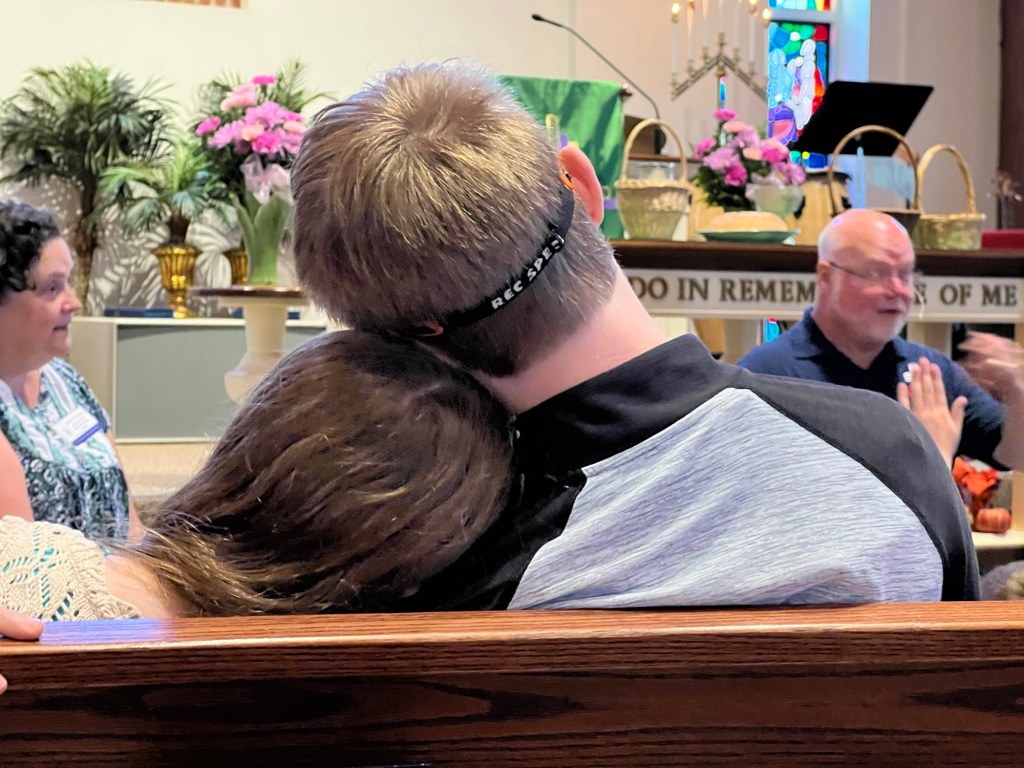
Navigating the unique dynamics of having a sibling with a disability is a journey marked by profound lessons and hidden challenges. As a sibling to a person with a disability myself and a parent to a child with a disability who has a sibling, I understand the complexities and nuances of this experience. While it undoubtedly fosters empathy, responsibility, and resilience, the journey of typically developing siblings often carries significant, yet sometimes overlooked, weight.
Insights from Research
Research on the topics dates back to the 1970s, and while studies vary in focus, most results point to the central theme that sibling relationships in families with a child with disabilities are often complex.
A study by Clare Bentall and Melanie Lowe suggests that siblings of children with disabilities may experience higher levels of stress, anxiety, and depression compared to their peers. They may have concerns about the future and the well-being of their siblings. Conversely, many siblings also report feelings of pride, compassion, and a sense of purpose in caring for their brother or sister. (1)
Siblings of children with disabilities often demonstrate remarkable empathy, resilience, and strength. Research published by Shana C. Cohen, Alyssa F. Brown, and Ashley R. Hirsch reports that siblings frequently develop coping strategies, problem-solving skills, and advocacy skills. (2)
Joys and Benefits
While each family’s journey is different, there are some common experiences siblings with disabilities may encounter.

Deep bonds and connection
Siblings of individuals with disabilities can develop strong bonds due to their unique shared experiences. From that deep connection comes mutual support and understanding.
Neurotypical siblings may find themselves in a role of caregiver, friend, and protector, offering a steady hand and a compassionate heart, embracing their sibling’s differences with grace and understanding. Conversely, disabled siblings bring a perspective that is both profound and enlightening. In a situation where they often face adversity, they find solace in each other’s company, creating a safe haven where they can truly be themselves without judgment or reservation.
Appreciation for achievements and small joys
These siblings also often have a greater sense of joy in the simple moments and the achievements of their peers and themselves because they have witnessed, and often been a part of, the extra steps taken to achieve a milestone.
For our family, what I remember the most are the moments where my daughter, the younger of the two by five years, watches her older sibling accomplish something she already has. I think it is clear to her how much effort it must take to accomplish a goal that has taken her brother so long and what it might feel like to do so at a later age. As hard as it is to watch your youngest surpass your oldest in some things, it’s an equally unique blessing to be able to watch the impact of empathy and grace it has.
Strong empathy and compassion
Possibly one of the most shared experiences among these siblings is increased empathy and compassion. It’s not a surprise that living with a sibling who takes extra care, patience, and help leads many children to excel in understanding and kindness. This can spill over into their life outside the home.
Sara has three children: a son with a genetic mutation that caused multiple disabilities, and two younger daughters. She shares that, in her experience, siblings of children with disabilities are often more patient, inclusive, and understanding of others.

Jen, a mother of three boys, including a teenager with Down syndrome and two older brothers, reflects on the profound impact her son has had on his siblings. She shares:
“They are and have always been very protective of him. I think the biggest blessing I’ve witnessed is the level of empathy and acceptance my older two boys have as a result of having a younger sibling with Down syndrome. They are more kind and inclusive of others with disabilities.”
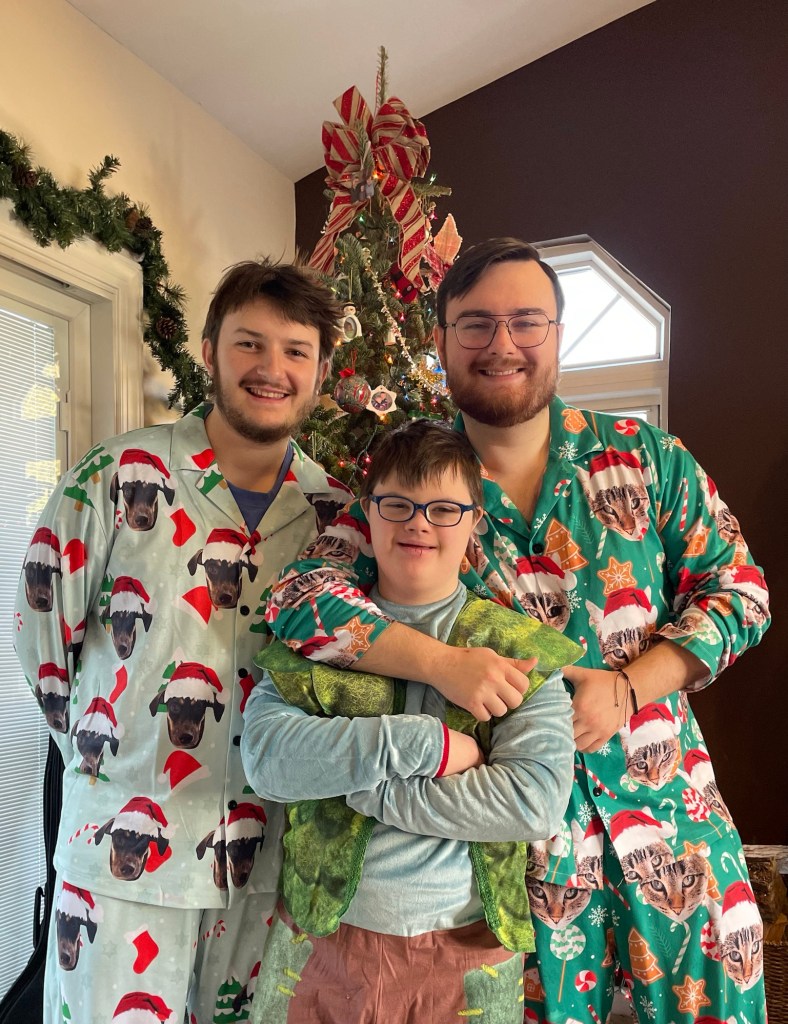
Jen also highlights the broader influence of her son, noting, “It’s not just my son’s siblings that have been impacted. We have a large extended family, and his many cousins have also learned a lot from having my son in their lives.”
I can relate to this as we too have a close network of cousins in our lives, two of whom are often engaged in activities with my son, either as peers or peer mentors. Their worldview is no doubt impacted by growing up so close in age to someone they love with a disability.
Resilience and Advocacy Skills
These siblings may demonstrate remarkable resilience, which stems from the unique challenges and experiences they encounter while growing up in a family affected by disability. From a young age, siblings of individuals with disabilities learn to adapt to unpredictable circumstances and navigate complex family dynamics.
Growing up with a sibling with a disability may also build strong advocacy skills. The experience teaches individuals to overcome obstacles and face adversity with courage and determination, as well as the skills to advocate for themselves and for those they care about.
Maturity
“I also have noticed many of these siblings tend to mature quicker than their peers.”
Sara
While there isn’t specific data available about siblings of children with disabilities being more mature, it’s a common anecdotal thread to hear from parents, service providers, and educators. These children often develop a heightened sense of responsibility within their family, assuming caregiving roles and advocating for their siblings’ needs, which can contribute to their accelerated maturity.
I will never forget the time we were at a birthday party, and when the pinata burst open, a frenzy ensued among the children, clamoring for candy with an intensity I had never witnessed before. Amidst the chaos, neither of my kids managed to secure a single piece. My son, visibly disheartened, retreated to a solitary spot at the table. However, in the aftermath of the excitement, my daughter, then six years old, spotted a lone piece of candy left on the ground. She scooped it up, tapped her brother on the shoulder, and placed it in his hand.
Challenges Faced by Siblings
Again, acknowledging each path is different, here are some shared struggles children with siblings with disabilities may have.
Being asked to help often
All siblings are asked to help with each other and around the family home. At times, what is unique to siblings of children with disabilities is the frequency, type, and early age at which they may be asked for help. Children who are younger than their disabled sibling may also be asked to help in ways that would not be necessary in the home of all neurotypical children.
My daughter shares:

“Having a brother with a disability can be hard because I’m often asked to help and I miss out on some things, but I have definitely learned to be kind and inclusive and to love everyone, even when they are different. That is why I love having a brother with a disability.”
When my children were in kindergarten and 18 months old, the parking lot of their childcare facility was not ideal. It was small, and even though it was filled with traffic from parents picking up their own children, somehow the speed at which cars came into the lot was shockingly fast. Each day at pick-up, I had my kindergartener, who bolted, and my toddler and all their bags and other items. I’d hold them both by the hand, and the older one would tug and pull. I distinctly remember leaving one hot afternoon and him pulling to take off. I remember looking at my 18-month-old and saying, “Don’t move,” and the look in her little sweet eyes was one of true understanding. It’s not lost on me that she has had to shoulder responsibility at a young age. At times, it was necessary for their safety and, in some ways, contributed to character development.
Having a different lived experience than most of their peers
While some children feel proud of their unique experiences, others may feel frustrated or isolated due to their sibling’s disability. They may struggle to relate to peers who do not understand their family dynamics or the challenges they face at home. The family may struggle to find other families with similar situations. Sara shares:
“I have seen siblings of children with disabilities miss out on things or be unable to participate in the same experiences as other children due to limitations based on their sibling’s disability.”


At times, due to accessibility programs, the opposite can also be true.
If I’m being honest, when I asked my daughter what the best part of having a sibling with a disability was, she said, “having a short wait at Disney.”
It’s a fair answer from a nine-year-old.
There are things she’s missed, that were negatively impacted, or that were altered because of our family situation. The amount of time she’s asked to be patient and flexible is uncountable. Her lived experience is different from that of many of her peers, so I’m ok with her answer. At times, there are opportunities to access needed accommodations for our son that also make the whole family’s life easier. And those are moments for everyone in the family to enjoy.
Pressure to be perfect
Children with siblings with disabilities may feel pressure to be perfect, though the source of this pressure can vary, including their belief that they need to:
- Set a positive example for their sibling.
- Be self-sufficient.
- Not worry their parents with their needs or problems.
- Be perfect to earn equal attention with their sibling.
- Behave well and/or cooperatively to reduce family stress.
Feel like they never come first
Children with disabled siblings may sometimes feel like their needs or feelings don’t come first within the family dynamic. Several factors can contribute to this perception, including attention to a sibling’s needs, the amount of time and resources dedicated to the sibling, cultural expectations or societal norms, or internalized responsibility.
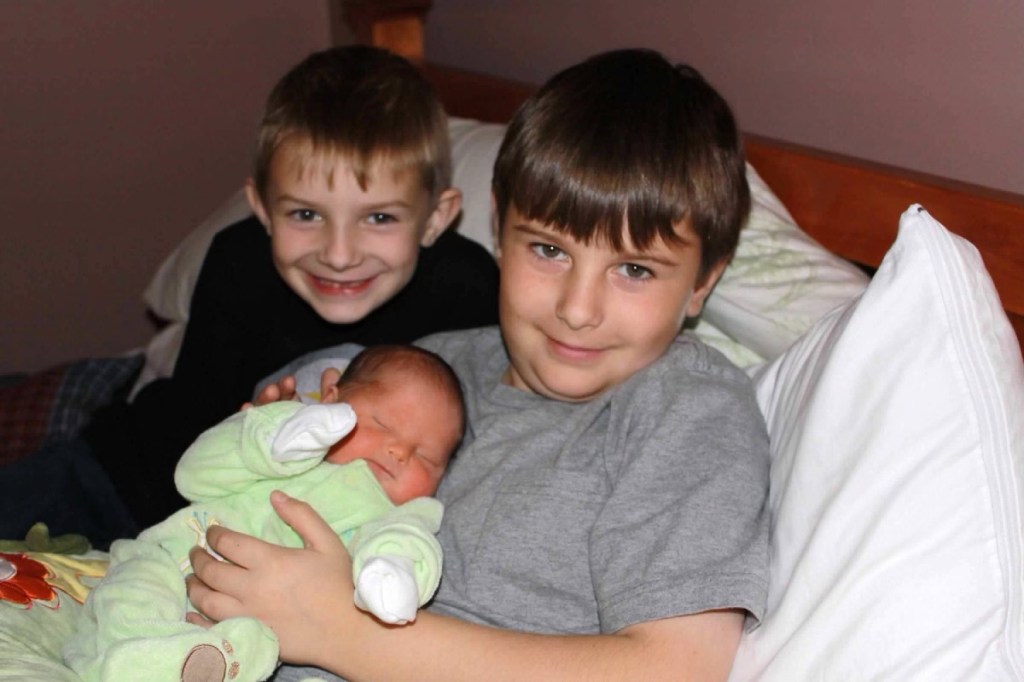
Jen reflects on a time when her son with Down syndrome was very young, and they were preoccupied with ensuring he received the necessary services and planning for the future. She notes, “my older boys didn’t get the attention they should have. I think they were frustrated by that at times.”
Watching someone they love be marginalized
For a sibling of a child with a disability, watching their sibling be marginalized can evoke a range of emotions. Siblings likely feel frustration, sadness, guilt, helplessness, and/or empathy when they witness or hear about their disabled sibling being excluded or treated differently by others. Some children experience a heightened awareness of injustice that enables them to become more attuned to instances of discrimination and prejudice in society.
Strategies for Supporting Siblings
Siblings of children with disabilities may have unique support needs that require attention from parents, educators, and healthcare professionals to provide opportunities for peer support, counseling, and education.
We have found sibling groups and activities really beneficial. My daughter shares, “It is fun to go to special groups that only kids with disabilities and their siblings can go to.”
When we were young, my mom took us out for one-on-one time with her, and there is one time that stands out in my mind vividly. I remember going to the Ground Round, where you could get an ice cream sundae after dinner in a baseball cap, and then going to Toys-R-Us, where I got a stuffed chimp I named Virgil after the chimpanzee in the movie Project X. While I always knew my mom loved us deeply, those moments of undivided attention from her are among the most cherished memories of my childhood.
Some general tips include:
- Communication: Discuss how the family is impacted, validate the feelings of siblings, and ensure them that it’s normal for any sibling to have a range of emotions.
- Self-Care: Address concerns about balancing responsibilities and self-care for all members of the family.
- Information: Offer age-appropriate information about their sibling’s disability and related challenges.
- Individual Attention: Make individual time for each child in the family.
- Normalize Their Experience: Help siblings connect with peers who share similar experiences by connecting them with support groups, online communities, or workshops for siblings of children with disabilities.
- Celebrate Everyone: Recognize and celebrate siblings’ achievements, talents, and contributions.
- Seek Help When Needed: If you feel it is necessary, consider seeking professional support from a therapist, counselor, or support group specializing in sibling issues or family dynamics.
Resources
There are many websites and resources that offer a range of support, information, and a virtual community for siblings of children with disabilities, helping them navigate their unique experiences and find connections with others who understand. Some of the most searched include:
Sibling Support Project: A program of the Institute on Disability and Human Development at the University of Illinois at Chicago, providing resources, support groups, and information for siblings of individuals with disabilities.
Sibling Leadership Network (SLN): A national nonprofit organization focused on advancing the concerns of siblings of individuals with disabilities through advocacy, support, and education.
Sibling Resources from Autism Speaks: Autism Speaks offers resources and support for families affected by autism, including information and tips for siblings of individuals with autism spectrum disorder.
The Arc: A national organization advocating for and serving people with intellectual and developmental disabilities and their families, offering resources and support for siblings.
Embracing Strengths, Overcoming Challenges
Each family’s journey is different, but common blessings and challenges emerge from these shared experiences. We’ve explored the difficulties and benefits of having a sibling with a disability, tactics to support these young people, and resources to do so.
What I leave you with is this.
I grew up in a home with a mother who advocated for her child with a disability through the 70s and 80s, where that was akin to speaking a different language and embarking on a journey with no roadmap. While I remember having to compromise, I also remember being loved and valued for who I was. I’m sure there were scars along the way, but the benefits outweighed the challenges.
As a mother myself, I have two very different children who were both fearfully and wonderfully made. My first has taught me patience and resilience in a way I’m positive I would have never achieved. He’s taught me that it’s totally okay to be a work in progress, something my pre-parent self would have never embraced. He’s shown me what success really means and what life is truly about.
And then there’s my second child. Describing her adequately without personal acquaintance is challenging. She’s an incredible young person. At just nine years old, she exemplifies resilience, grace, empathy, and an inclusive mindset—a level of maturity it took me over four decades to approach. While some days are hard and she has put up with much, I have no doubt she (and her father and I) are profoundly better humans for being on this journey.
“Siblings: the definition that comprises love, strife, competition, and forever friends.”
– Byron Pulsifer
Sources
(1) “Siblings of Children with Disabilities: Challenges and Opportunities” by Clare Bentall and Melanie Lowe (Journal of Child Health Care).
(2) “Siblings of Children with Autism Spectrum Disorders: Behavioral/Emotional Problems and Relationships with Mothers and Siblings” by Shana C. Cohen, Alyssa F. Brown, and Ashley R. Hirsch (Research in Autism Spectrum Disorders).
 inclusion AMPLIFIED
Leave a comment