

On May 1, we celebrate Inclusive Postsecondary Education (IPSE) Day to raise awareness about postsecondary education options for students with intellectual disabilities. Inclusive postsecondary education—also called inclusive higher education—refers to college and university programs that enroll people with intellectual disabilities.
Why does inclusive postsecondary education matter?
According to Think College—a national nonprofit that provides resources, technical assistance, and training related to college options for students with intellectual disabilities—students with ID who go to college:
- Can continue to learn after high school, just like their peers and their siblings.
- Can go to college even if they have not received a high school diploma.
- Can go to college, regardless of test scores.
- Can access financial aid if they are eligible.
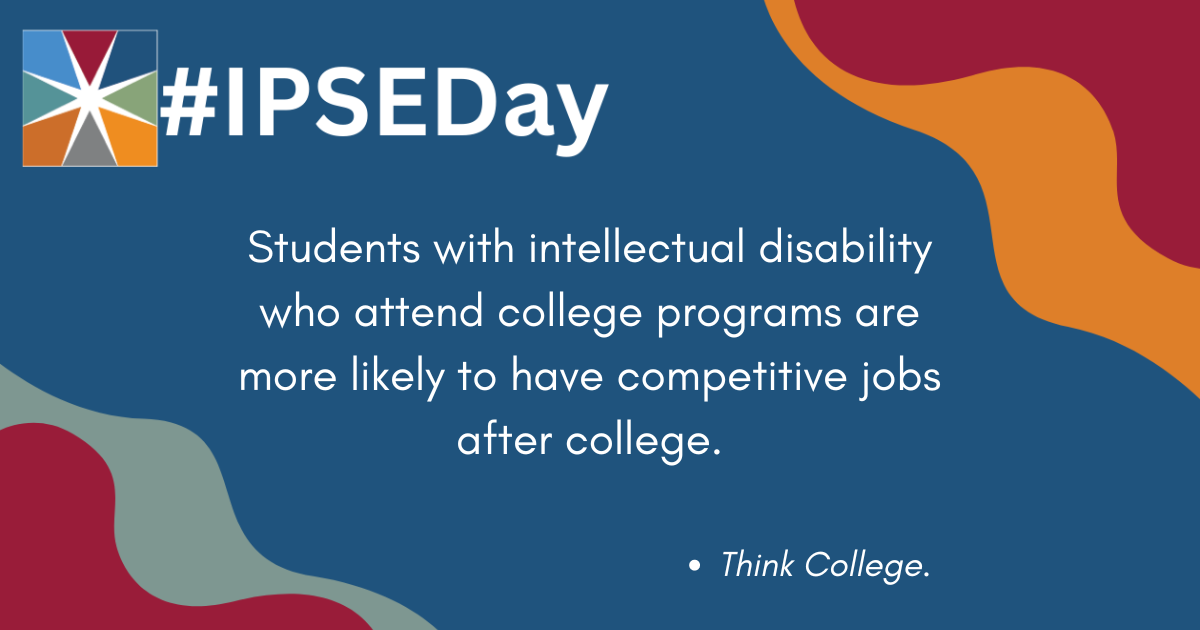
- Are more likely to have competitive jobs after college.
Like any college experience, IPSE allows young adults with ID to experience life beyond their home, which is not quite fully out into the world. It fosters independence and allows for real-world opportunities for self-advocacy.

College campuses with IPSE programs not only provide educational opportunities for individuals with intellectual disabilities but also contribute to the diversity and inclusivity of the campus community. These programs bring together students from diverse backgrounds, abilities, and life experiences, creating inclusive communities where everyone is valued and positioned to thrive. Through IPSE, colleges demonstrate their commitment to equity and access.
What is the importance of awareness and advocacy?
While there are more IPSE options now than ever before, we have a lot more work to do. Many people who don’t have a loved one with an intellectual disability have never heard of IPSE. Still today, it’s not common knowledge among educators, guidance counselors, or administrators. Those who have heard of these programs often don’t know much about them.

Think College nationally and other organizations on a state-level or local level provide information about IPSE. It’s imperative that school system level administrators weave this information into the knowledge base of their college counseling staff, as well as special and general educators who work with students with ID. Spreading the word to families about the possibilities and benefits is also key.
But it’s not just education. For many, we still have to shift perspectives about students with ID going to college. The look I get from some people when I talk about my son going to college is not only disappointing, it’s at times insulting. There is a huge lack of awareness of the opportunities and benefits of IPSE.
What are some myths and facts about IPSE?
Myth: IPSE is not academically rigorous.
Reality: IPSE programs offer academic coursework tailored to the needs and abilities of students with intellectual disabilities. While the curriculum is often modified, students engage in meaningful learning experiences and pursue academic goals.

Myth: IPSE is a form of charity or tokenism for individuals with disabilities.
Reality: IPSE is rooted in principles of equity and access. It recognizes the inherent value of individuals with intellectual disabilities and what they bring to a broader community.
Myth: IPSE segregates students from the mainstream college experience.
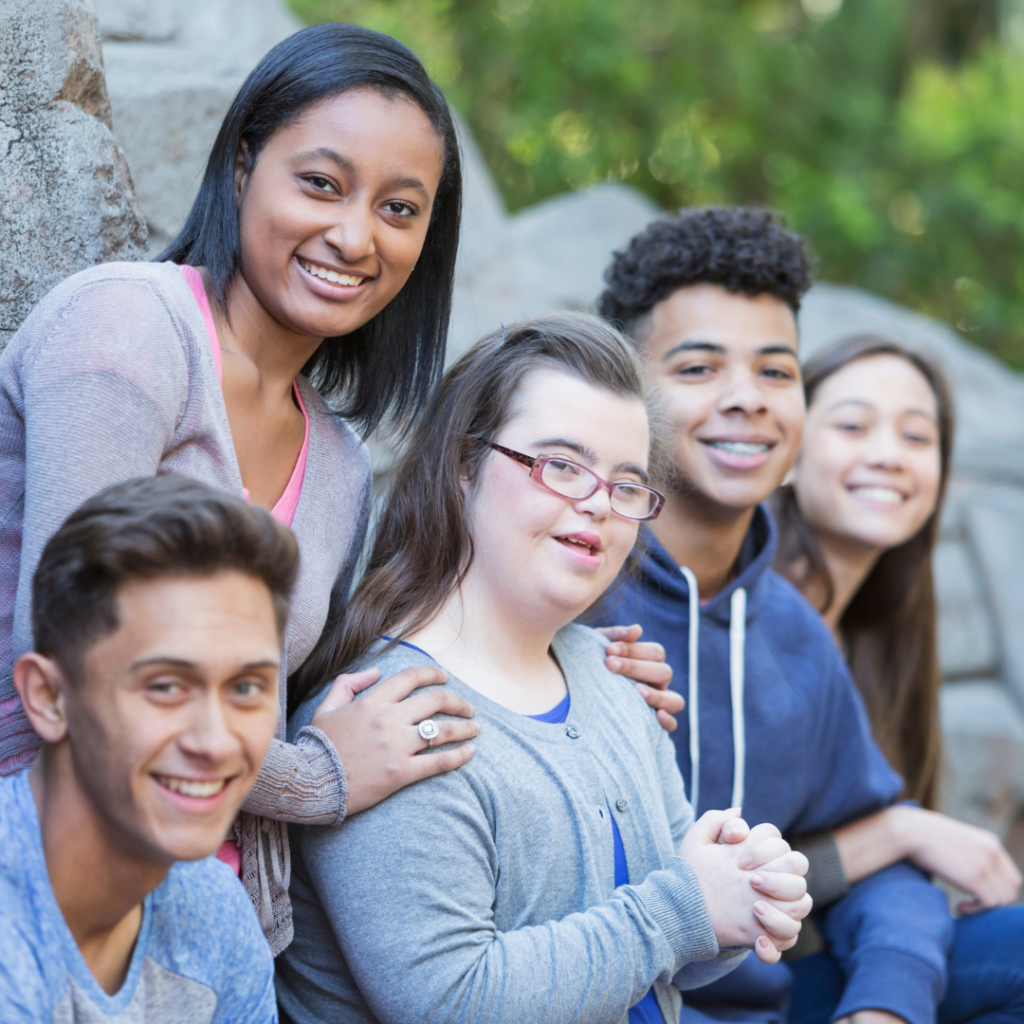
Reality: IPSE programs foster inclusivity by offering students chances to join in campus activities, connect with peers, and utilize the same resources and support services available to all students. These programs prioritize integrating students and encouraging engagement within the wider college community.
Myth: IPSE students cannot succeed in competitive employment after graduation.
Reality: IPSE empowers students with the essential skills, knowledge, and experiences needed to thrive in competitive work environments. By providing internships, job training, and career development support, students acquire valuable workplace skills and can transition into meaningful employment opportunities after graduation.
Why does IPSE matter to me?
Many expecting parents have dreams for their unborn child, but when you have a child born with a disability, your perspective shifts. This was true for us; however, our expectations did not change. We have always expected both our children to do their best, show kindness, and work towards achieving their goals. Like everyone else, they will achieve much of what they set out to do and will encounter setbacks along life’s journey. Yet, there should never be an assumption that our eldest cannot attend college, pursue a meaningful career, or live independently based on his diagnosis.
When it comes to IPSE I see two major hurdles: lack of information and attitude.

Information
We have a well-thought-out plan for what life after high school will look like, a plan to prepare our son for it, and the life experience to know that the best laid plans must also be flexible. The sad part is that this plan is completely self-initiated. No educator, service provider, or even friend has shown us the way. IPSE is not a mainstream enough idea yet for that to be the case.
Attitude
In addition to the challenges of limited information sharing and access, families pursuing IPSE may encounter the misconception that college isn’t a suitable path for their loved one. In my experience, conversations around high school and vocational post-secondary education primarily revolve around job readiness. Instead of solely focusing on job training, why aren’t we discussing skills that would prepare students for a range of opportunities, including college?
Instead of assuming that high school students with intellectual disabilities only require job training, why aren’t we engaging them in conversations about their future aspirations? Let’s align curricular classes and high school experiences with the skills they need to achieve their goals.
So what can you do to advance the mission of IPSE?
Whether you are an individual with ID, educator, family member, or ally, there are ways you can help amplify this message.
Educate Yourself: Take the initiative to learn more about inclusive educational practices and the challenges faced by individuals with intellectual disabilities in accessing higher education. Explore resources, articles, and documentaries that shed light on the importance of inclusive education.
Raise Awareness: Use your voice and platforms to raise awareness about IPSE Day and the benefits of inclusive education. Sharing this information further amplifies the narrative around people with ID attending college. See some tools from Think College here.
What is in store for IPSE now and in the years to come?
As we celebrate Inclusive Postsecondary Education Day 2024, let us reflect on the transformative power of inclusive education and the profound impact it has on the lives of individuals with intellectual disabilities. By promoting awareness, dispelling myths, and advocating for change, we can continue to advance the mission of inclusive education and create a more equitable and inclusive society for all. As we look ahead, let us reaffirm our commitment to supporting inclusive postsecondary education and ensuring that every individual has the opportunity to pursue their dreams and reach their full potential. Together, let us amplify inclusion and build a future where everyone belongs.
 inclusion AMPLIFIED
Leave a comment